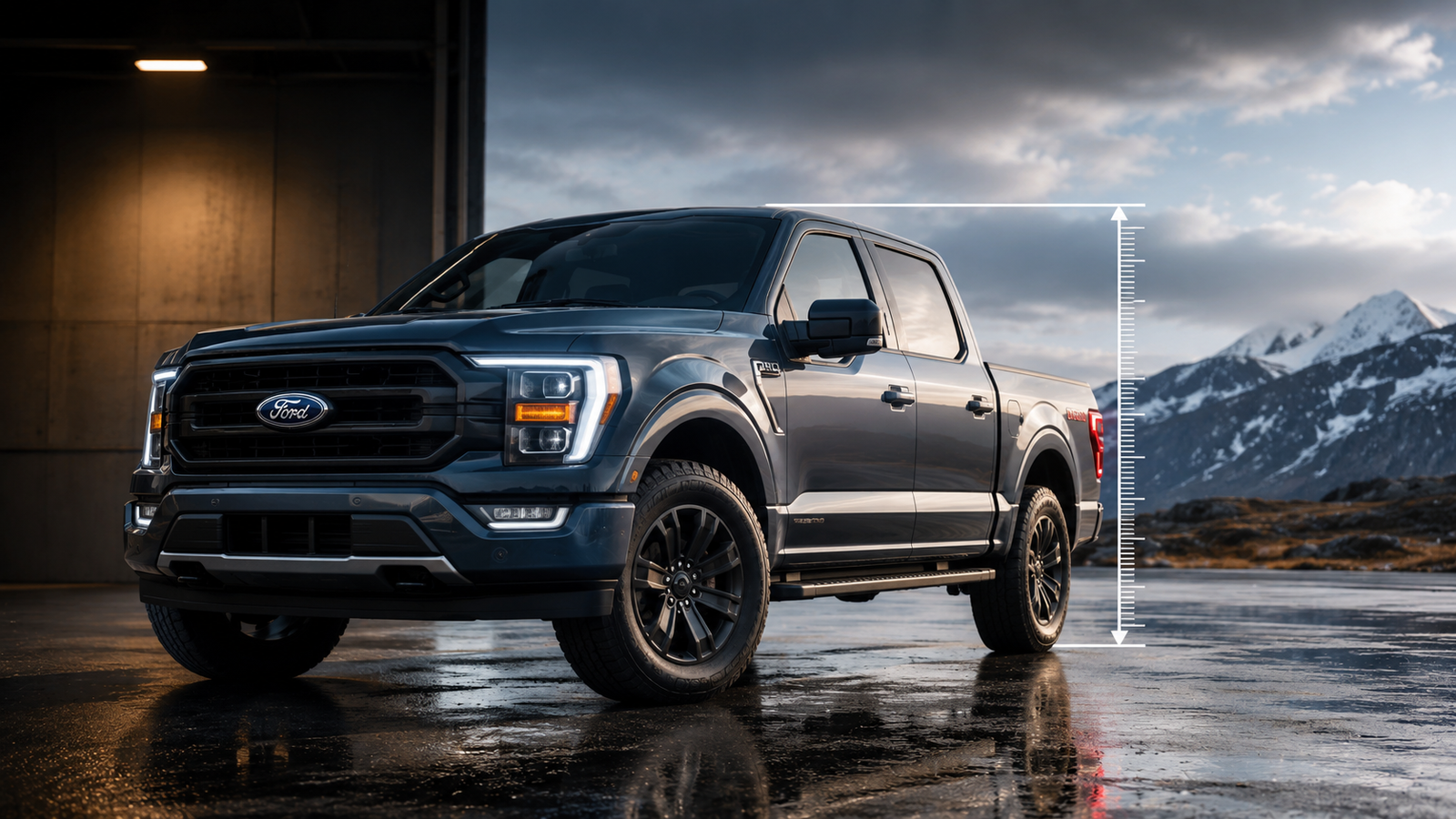

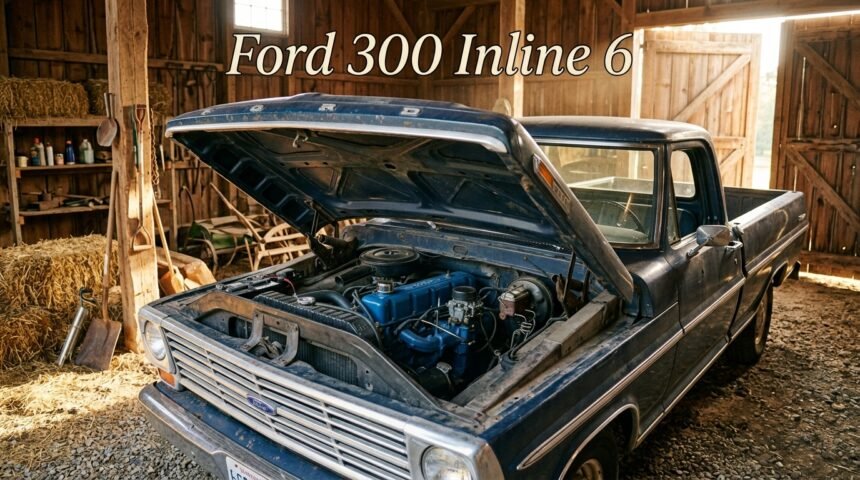
The Ford 300 inline 6 is one of the most trusted engines Ford ever built, known for its simple design and long-lasting performance. It powered countless F-Series trucks, vans, and industrial machines from 1965 to 1996. Mechanics and owners still praise the Ford 300 inline 6 for its low-end torque and easy maintenance.
This guide covers everything from specifications to common problems, upgrades, and buying tips. Whether you own one or plan to buy one, this article gives you a clear and honest picture of what makes this engine special.
Introduction to the Ford 300 Inline-6
The Ford 300 inline 6 earned its reputation through decades of hard work in trucks and farm equipment. It was never designed to be fast, but it was built to run for a very long time without major issues.
What is the Ford 300 Inline-6?
The Ford 300 inline 6 is a 4.9-liter straight-six gasoline engine built with a cast-iron block and head. It was designed for durability rather than speed, making it a favorite among truck owners and farmers who needed dependable power every day.
Brief History and Production Timeline
Ford introduced the 300 inline 6 in 1965 as part of its truck engine lineup. Production continued until 1996, spanning over three decades with only minor design changes. This long run shows how well the original engineering held up over time.
Why This Engine Became So Popular
Owners loved the Ford 300 inline 6 because it rarely broke down and was simple to repair at home. Parts were affordable and widely available, which made it a practical choice for work trucks that needed to stay on the road.
Engine Specifications
Understanding the technical specifications helps explain why the Ford 300 inline 6 performs the way it does. Below is a breakdown of its core numbers.
Displacement, Bore & Stroke
The engine displaces 4.9 liters, or roughly 300 cubic inches, which is where its nickname comes from. It uses a bore of 4.00 inches and a stroke of 3.98 inches, giving it a nearly square design that balances power and smoothness.
Compression Ratio
Most versions of the Ford 300 inline 6 used a compression ratio between 8.0:1 and 9.0:1, depending on the model year. This lower ratio allowed the engine to run reliably on regular fuel without knocking issues.
Horsepower and Torque Figures
Horsepower ranged from around 100 to 150 depending on the year and configuration, while torque output was often more important, reaching up to 260 lb-ft in later fuel-injected versions. This torque made it ideal for towing and hauling.
Weight and Physical Dimensions
The engine is notably heavy for its size due to the cast-iron construction, weighing close to 500 pounds. Its long, narrow shape made it easy to service since most components were accessible from the side of the engine bay.
Firing Order
The firing order for the Ford 300 inline 6 is 1-5-3-6-2-4. This sequence helped the engine run smoothly with minimal vibration, which is a natural advantage of the inline-six layout.
Design and Engineering Features
The engineering choices behind the Ford 300 inline 6 focused on strength and simplicity rather than advanced technology. This approach is a major reason it lasted so long in production.
Cast-Iron Block and Head Construction
The entire engine was built using cast iron, which made it heavier but far more resistant to warping and cracking under heat. This construction is a big reason many of these engines still run today after decades of use.
OHV (Overhead Valve) Design Explained
The Ford 300 inline 6 used an overhead valve design, which is simpler and more durable than overhead cam designs. Fewer moving parts meant fewer things could go wrong, which suited its role in work vehicles.
Carbureted vs Fuel-Injected Versions
Earlier versions used a single carburetor, while later models from 1987 onward switched to electronic fuel injection. The fuel-injected versions offered better fuel economy and smoother idling compared to the carbureted models.
Why It’s Known for Torque, Not Speed
The long stroke design of the Ford 300 inline 6 favored torque production over high RPM performance. This made it excellent for pulling heavy loads but not suited for quick acceleration or high-speed driving.
Applications and Vehicles
The Ford 300 inline 6 was used across a wide range of vehicles and equipment, proving its versatility beyond just trucks.
Ford F-Series Trucks
This engine was a staple in the F-150, F-250, and F-350 models for many years. It gave these trucks dependable power for work sites, farms, and daily driving without demanding much maintenance.
Ford Vans (Econoline)
The Econoline van lineup also used the Ford 300 inline 6, taking advantage of its torque for carrying passengers and cargo. It became a common choice for commercial fleets and delivery services.
Industrial, Agricultural & Marine Uses
Beyond road vehicles, this engine found its way into generators, irrigation pumps, and even some marine applications. Its reliability under constant load made it suitable for non-automotive uses as well.
Aftermarket and Off-Road Conversions
Off-road enthusiasts often installed the Ford 300 inline 6 into Jeeps and other 4×4 builds because of its low-end torque. This swap remains popular in off-road communities even today.
Performance and Reliability
Reliability is the defining trait of the Ford 300 inline 6, and this section explains why it earned that reputation.
Why the 300 is Considered Nearly Indestructible
The combination of a strong cast-iron block, simple valve train, and conservative tuning allowed this engine to handle abuse that would damage other engines. Many mechanics consider it one of the toughest engines Ford ever made.
Real-World Longevity
It is common to hear of Ford 300 inline 6 engines running well past 300,000 miles with only basic maintenance. Some owners report even higher mileage when the engine is properly cared for.
Common Strengths vs Weaknesses
| Category | Strength | Weakness |
|---|---|---|
| Durability | Extremely long-lasting | Heavy compared to output |
| Maintenance | Simple and affordable | Outdated technology |
| Power | Strong low-end torque | Weak high-RPM performance |
| Fuel Type | Runs on regular fuel | Fuel economy is average |
Common Problems and Fixes
No engine is perfect, and the Ford 300 inline 6 does have a few recurring issues that owners should know about.
Carburetor Issues
Carbureted models can suffer from clogging, poor idle, or flooding over time. Regular cleaning and rebuilding the carburetor usually resolves these problems without needing major repairs.
Head Gasket and Cooling System Concerns
Overheating can lead to head gasket failure if the cooling system is not maintained properly. Keeping the radiator clean and coolant fresh helps prevent this issue entirely.
Vacuum Line Problems
Aging vacuum lines can crack or disconnect, causing rough idling or stalling. Since the engine relies on vacuum for several systems, checking these lines periodically is an easy preventive step.
Fuel Injection Conversion Issues
Later EFI models can experience sensor failures or wiring issues as they age. Replacing sensors like the oxygen sensor or throttle position sensor usually fixes performance problems.
Maintenance Guide
Proper maintenance is the key reason many Ford 300 inline 6 engines last so long. This section covers the basics every owner should follow.
Oil Change Intervals and Recommended Oil Type
Changing the oil every 3,000 to 5,000 miles using a conventional 10W-30 oil keeps the engine running smoothly. Regular oil changes prevent sludge buildup that can shorten engine life.
Spark Plug and Ignition Maintenance
Spark plugs should be inspected and replaced roughly every 30,000 miles to maintain smooth combustion. A well-maintained ignition system also improves fuel efficiency.
Cooling System Care
Flushing the cooling system every two years helps prevent rust and mineral buildup inside the engine block. This simple step protects against overheating-related damage.
Long-Term Preservation Tips
Storing the vehicle properly, avoiding prolonged idling, and warming up the engine before heavy use all contribute to extending the life of the Ford 300 inline 6. These habits are especially useful for classic truck owners.
Modifications and Upgrades
Many enthusiasts choose to modify their Ford 300 inline 6 for better performance without sacrificing reliability.
Popular Performance Upgrades
Common upgrades include installing a better intake manifold, upgraded ignition components, and performance camshafts. These changes can noticeably improve throttle response.
Turbocharging the 300 Inline-6
Turbocharging has become a popular way to boost power while keeping the engine’s strong internals intact. Many builders find the factory block can handle significant boost with proper tuning.
Header and Exhaust Improvements
Replacing the stock exhaust manifold with performance headers improves exhaust flow and adds a noticeable power gain. This is often one of the first upgrades enthusiasts make.
Fuel System Upgrades
Upgrading to a modern fuel injection setup on carbureted models can improve both power and fuel economy. This conversion is popular among restoration and off-road builders alike.
Ford 300 vs Other Engines
Comparing the Ford 300 inline 6 to other engines helps put its strengths and limitations into perspective.
Ford 300 vs Ford 302 V8
The 302 V8 offers more horsepower and quicker acceleration, but the Ford 300 inline 6 provides better torque delivery at low speeds and simpler maintenance. Many truck owners preferred the six-cylinder for towing consistency.
Ford 300 vs Modern Turbo Engines
Modern turbocharged engines produce more power from smaller displacement, but they also come with more complex electronics and higher repair costs. The Ford 300 inline 6 remains easier and cheaper to maintain long term.
Pros and Cons Comparison Table
| Comparison Point | Ford 300 Inline 6 | Modern Turbo Engine |
|---|---|---|
| Reliability | Very high | Moderate to high |
| Repair Cost | Low | Higher |
| Technology | Basic and simple | Advanced and complex |
| Fuel Efficiency | Average | Generally better |
Buying and Ownership Guide
If you are considering a vehicle with this engine, a few checks can help you make a confident decision.
What to Check When Buying a Used 300 Inline-6 Vehicle
Inspect for oil leaks, listen for unusual knocking sounds, and check the cooling system condition before buying. A clean maintenance history is also a strong positive sign for this engine.
Parts Availability Today
Because so many of these engines were produced, parts remain widely available through both original and aftermarket suppliers. This makes ownership more affordable compared to rarer engine models.
Community and Enthusiast Resources
Online forums and owner groups dedicated to the Ford 300 inline 6 offer valuable advice, troubleshooting tips, and upgrade guides. These communities are a great resource for both new and experienced owners.
Frequently Asked Questions
Is the Ford 300 inline 6 a good engine?
Yes, it is widely regarded as one of the most reliable engines Ford has produced, especially for work trucks and towing needs.
How many miles can a Ford 300 inline 6 last?
With proper maintenance, many of these engines exceed 300,000 miles without major rebuilds.
Can you turbocharge a Ford 300 inline 6?
Yes, its strong internal components make it a popular choice for turbocharging projects.
What vehicles used the Ford 300 inline 6?
It was primarily used in Ford F-Series trucks and Econoline vans, along with some industrial and agricultural equipment.
Conclusion
The Ford 300 inline 6 remains a respected engine because of its durability, simplicity, and strong torque output. It may not be the fastest engine, but its long service life and low repair costs make it a smart choice for work vehicles and enthusiasts alike.
Whether you’re maintaining an original engine or building a custom project, the Ford 300 inline 6 continues to prove why it earned its legendary status.
Related Articles
Ford Maverick Towing Capacity: Complete Guide
Ford Bronco Lease Deals: A Complete Guide to Getting the Best Offer
How Tall Is a Ford F-150? A Complete Height Guide by Trim, Cab, and Year
Does Ford Use Standard or Metric? A Complete Guide
What Does Ford OBS Stand For? The Complete Guide to Old Body Style Trucks