
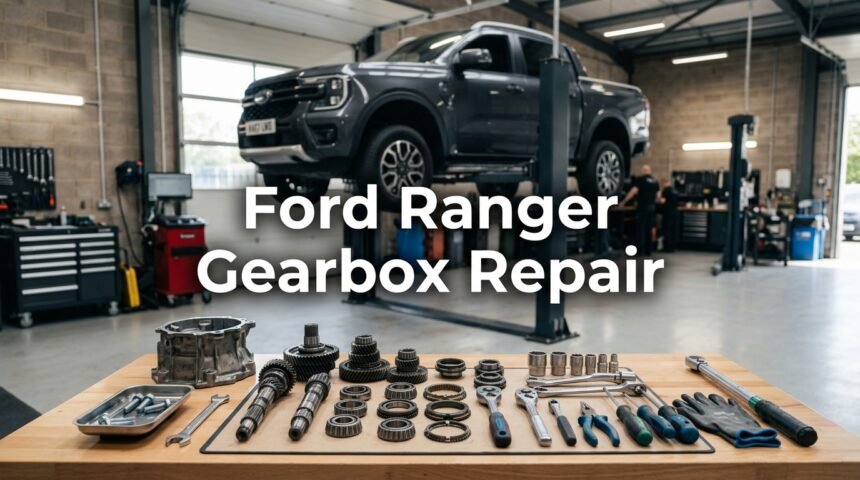
Owning a Ford Ranger means driving a tough, dependable pickup, but even the strongest gearbox eventually shows signs of wear over time. Ford Ranger gearbox repair is one of the most searched topics among Ranger owners because transmission trouble can appear suddenly and disrupt daily driving.
Whether your truck has a manual or automatic gearbox, understanding how it works helps you catch small issues before they turn into major failures. This guide walks you through every stage of Ford Ranger gearbox repair, from spotting the first warning signs to understanding realistic repair costs.
You will also learn how to decide between a simple DIY fix and a trip to a professional repair shop. By the end, you will have a clear, practical roadmap for keeping your Ranger’s gearbox running smoothly for years to come.
Understanding the Ford Ranger Gearbox
Before jumping into repairs, it helps to understand what the gearbox actually does and how Ford Ranger transmission options differ from one another. This background makes it much easier to describe your problem accurately and to understand any Ford Ranger gearbox repair quote a mechanic gives you.
Manual vs Automatic Transmission
The Ford Ranger has been sold with both 5-speed and 6-speed manual gearboxes, along with 6-speed and newer 10-speed automatic transmissions, depending on the model year and market.
Manual gearboxes rely on a clutch and synchronizer rings to shift gears smoothly by hand, while automatic units use a torque converter and electronic solenoids to change gears on their own. Knowing which type your Ranger uses is the first step in narrowing down a repair, since manual and automatic faults usually come from completely different sources.
Key Gearbox Components
Inside every Ranger gearbox sit gears, shafts, bearings, and seals that work together to transfer engine power to the wheels.
Manual versions add a clutch plate and synchronizer rings, while automatic versions include a torque converter, valve body, and several electronic solenoids. When any of these parts wear out or fail, shifting quality drops noticeably, and that is usually when owners begin searching for gearbox repair options.
Common Signs of Gearbox Problems
Most Ranger owners first notice a transmission issue through an unusual noise or a change in how the truck shifts gears. Catching these warning signs early can turn what might become an expensive rebuild into a simple, affordable repair.
Grinding or Whining Noises
A grinding sound while shifting usually points to worn synchronizers in a manual gearbox, while a persistent whining noise often signals low fluid or a failing bearing in either transmission type.
These noises tend to get louder as the underlying wear increases, so they should never be ignored. Addressing them early is far cheaper than waiting until the noise turns into a complete gearbox failure.
Difficulty Shifting Gears
If gears feel stiff, notchy, or resist engaging smoothly, the cause is often low transmission fluid, a worn clutch, or damaged internal linkages.
Automatic Rangers may hesitate before shifting or jerk noticeably between gears when a solenoid or valve body issue is present. This kind of shifting resistance almost always gets worse over time rather than resolving on its own.
Slipping Gears While Driving
Gear slipping happens when the transmission unexpectedly shifts out of gear or the engine revs without a matching increase in speed. In manual Rangers this often points to a worn clutch, while in automatics it typically signals a failing torque converter or degraded fluid.
Slipping gears is a serious warning sign that should prompt an inspection as soon as possible, since continued driving can cause further internal damage.
Gearbox Fluid Leaks
Fluid leaks are one of the easiest problems to spot, usually appearing as reddish or brownish spots underneath the truck after it has been parked.
Leaks commonly come from worn seals, gaskets, or a damaged drain plug, and low fluid levels quickly accelerate wear on internal components. Fixing a leak early is one of the simplest and most cost-effective forms of Ford Ranger gearbox repair available.
Causes of Gearbox Failure
Understanding what actually causes gearbox failure helps owners prevent repeat problems after a repair is completed. Most failures trace back to a small number of root causes that build up gradually over time.
Low or Contaminated Transmission Fluid
Transmission fluid lubricates and cools internal components, so when it becomes low, dirty, or breaks down over time, friction and heat increase dramatically.
This accelerated wear damages gears, bearings, and clutch materials far faster than normal use would. Regular fluid changes remain one of the most effective ways to avoid costly gearbox repairs altogether.
Worn Clutch or Torque Converter Issues
In manual Rangers, a worn clutch plate eventually loses its ability to grip properly, leading to slipping and difficult gear changes. In automatic models, a failing torque converter causes similar symptoms, including shuddering, slipping, and poor power delivery.
Both issues tend to develop gradually, which is why regular inspection helps catch them before total failure occurs.
Electrical and Solenoid Faults
Automatic Ford Ranger transmissions depend heavily on electronic solenoids and sensors to control shift timing and pressure.
When these components fail or send incorrect signals, the gearbox may shift harshly, hesitate, or get stuck in one gear entirely. Diagnostic scanning is usually required to pinpoint which specific solenoid or sensor is causing the fault.
Poor Maintenance and Heavy-Duty Use
Skipping scheduled fluid changes, ignoring early warning signs, and frequently towing heavy loads all place extra strain on the gearbox. Off-road driving and repeated heavy towing generate additional heat and stress that standard maintenance schedules do not always account for. Owners who use their Ranger for demanding work should consider more frequent fluid checks to offset this added wear.
Diagnosing Gearbox Issues
A proper diagnosis is the foundation of any successful Ford Ranger gearbox repair, since guessing at the cause often leads to unnecessary part replacement. Diagnosis generally combines simple home checks with more detailed professional tools.
DIY Checks You Can Do at Home
Owners can check fluid level and color, listen for unusual noises during gear changes, and note exactly when slipping or hesitation occurs. Writing down when a symptom appears, such as only when cold or only under load, gives a mechanic valuable information later.
These basic checks will not fix a serious fault, but they help narrow down the likely cause before spending money on diagnostics.
Professional Diagnostic Tools
Mechanics use OBD2 scanners to read transmission control module codes on automatic Rangers, which point directly to a faulty sensor, solenoid, or shift pattern issue.
For manual gearboxes, technicians rely more on physical inspection, road testing, and listening for specific noises under load. Combining both approaches gives the most accurate picture of what a repair will actually involve.
Step-by-Step Gearbox Repair Process
Once a diagnosis confirms the problem, the actual Ford Ranger gearbox repair process follows a fairly predictable sequence depending on severity. The table below outlines the typical stages involved.
| Repair Stage | What It Involves | Typical Duration |
| Fluid service | Draining old fluid, replacing filter, refilling with correct spec fluid | 1–2 hours |
| Seal and gasket repair | Replacing worn seals to stop leaks | 2–4 hours |
| Component replacement | Replacing synchronizers, solenoids, or sensors | 4–8 hours |
| Clutch replacement | Removing gearbox to fit a new clutch assembly | 1–2 days |
| Full rebuild | Disassembling gearbox and replacing worn internals | 3–5 days |
| Gearbox replacement | Installing a reconditioned or new unit | 2–3 days |
Minor Repairs
Minor repairs such as fluid changes and seal replacement address early-stage problems and usually restore normal shifting quickly.
These jobs are the most common form of gearbox repair and often prevent the need for more extensive work later. Regular servicing at recommended intervals keeps most Rangers within this lower-cost repair category.
Major Repairs and Rebuilds
When internal components like gears, bearings, or the clutch assembly are badly worn, a full rebuild or gearbox replacement becomes necessary.
This involves removing the gearbox entirely, inspecting every internal part, and replacing anything beyond safe tolerance. While more expensive, a proper rebuild can extend the life of the transmission for many more years of reliable driving.
Ford Ranger Gearbox Repair Cost Breakdown
Repair costs vary significantly based on the extent of the damage, the Ranger’s model year, and regional labor rates. The table below gives a general idea of where different repairs typically fall on the cost scale.
| Repair Type | Relative Cost Level |
| Fluid flush and filter change | Low |
| Seal or gasket replacement | Low to moderate |
| Solenoid or sensor replacement | Moderate |
| Clutch replacement | Moderate to high |
| Full gearbox rebuild | High |
| New or reconditioned gearbox replacement | Highest |
Labor rates also differ between dealerships and independent workshops, with dealership pricing generally sitting higher due to brand-specific diagnostic equipment and genuine parts. Getting a written quote before authorizing work helps avoid unexpected charges once the repair is underway.
DIY vs Professional Repair
Deciding whether to attempt a repair yourself or hand it to a professional depends heavily on your mechanical experience and the specific fault involved. Some tasks are safe for confident DIY owners, while others carry real risk if done incorrectly.
What You Can Safely Do Yourself
Fluid checks, fluid changes, and basic leak inspections are well within reach for most owners with basic tools and a service manual. These tasks require no specialized equipment and can be completed in a home garage without removing the gearbox. Staying on top of these simple jobs is one of the best ways to delay or avoid more serious gearbox repair down the line.
When to Call a Professional
Any repair involving gearbox removal, internal component replacement, or electronic diagnostics should be left to a qualified technician.
Incorrect reassembly or misdiagnosis can cause far more expensive damage than the original problem. A professional also has access to torque specifications, proper lifting equipment, and diagnostic scanners that most home garages simply do not have.
Preventive Maintenance Tips
Consistent maintenance remains the single most effective way to avoid unexpected Ford Ranger gearbox repair bills. A few simple habits make a meaningful difference over the life of the vehicle:
- Change transmission fluid at the interval recommended in your owner’s manual, or sooner if you tow frequently.
- Avoid riding the clutch or resting your foot on the pedal while driving a manual Ranger.
- Allow the automatic transmission to warm up briefly in cold weather before demanding full power.
- Have the gearbox inspected before and after long towing trips or extended off-road use.
- Address unusual noises or shifting changes immediately rather than waiting for them to worsen.
Choosing the Right Repair Shop
Many online guides on this topic focus only on symptoms and skip over how to actually choose a reliable repair shop, which leaves owners unsure of their next step. A good starting point is asking whether the shop has specific experience with Ford Ranger transmissions rather than general transmission work alone.
It is also worth asking for a written estimate, confirming whether a warranty is offered on parts and labor, and checking if genuine or high-quality aftermarket components will be used.
Independent specialists often offer competitive pricing compared to dealerships, but dealership service centers may be preferable for late-model Rangers still under warranty coverage.
Frequently Asked Questions
How long does a Ford Ranger gearbox repair take?
Minor repairs like fluid changes can be done in under two hours, while a full rebuild or replacement may take several days depending on parts availability.
Can I keep driving with a failing gearbox?
Driving with a slipping or grinding gearbox risks turning a moderate repair into a complete failure, so it is safer to get it inspected quickly.
How often should the gearbox fluid be changed?
Most manufacturers recommend a change every 60,000 to 100,000 kilometers, though heavy towing or off-road use may call for more frequent servicing.
Is it better to repair or replace an old gearbox?
If damage is limited to a few components, repair is usually more cost-effective, but extensive internal wear often makes replacement the more practical long-term option.
Conclusion
Ford Ranger gearbox repair does not need to be confusing once you understand the warning signs, common causes, and realistic cost ranges involved. Early attention to noises, fluid condition, and shifting quality can prevent minor issues from becoming major failures,
while a trusted mechanic ensures repairs are done correctly the first time. With consistent maintenance and prompt attention to problems, your Ranger’s gearbox can continue delivering reliable performance for many years ahead.
Related Articles
Ford Bronco Lease Deals: A Complete Guide to Getting the Best Offer
Ford Bronco Lease Deals: A Complete Guide to Getting the Best Offer
Ford 8N Tractor: The Complete Guide to History, Specs, and Buying Tips
What Is the Ford FX4 Package? Complete Guide to Features, Benefits & Cost
What Does Ford OBS Stand For? The Complete Guide to Old Body Style Trucks