
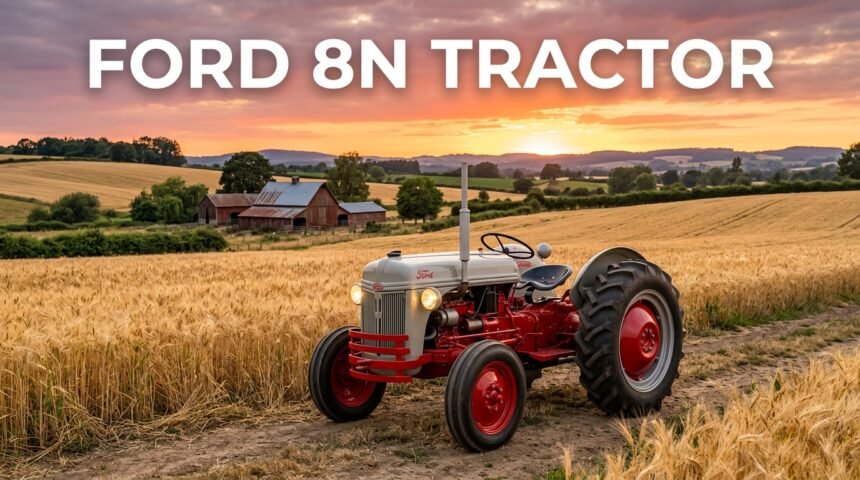
The Ford 8N tractor is one of the most recognized and trusted farm machines ever built, and even decades after production stopped, it continues to work on small farms and hobby properties around the world.
Known for its rugged simplicity, easy maintenance, and dependable engine, the Ford 8N tractor became a symbol of post-war agricultural progress in America. This guide walks through its history, design, specifications, buying advice, and common issues so that anyone interested in this classic machine can understand exactly what makes it special.
Introduction
The Ford 8N tractor holds a special place in farming history because it combined affordability with genuine mechanical innovation at a time when small farmers needed both. It was not just another tractor on the market; it introduced features that changed how implements were attached and operated, making farm work faster and less physically demanding.
What is the Ford 8N?
The Ford 8N is a compact utility tractor built by Ford Motor Company between 1947 and 1952. It was designed for small to mid-sized farms and became known for being easy to operate, repair, and maintain. Its simple four-cylinder engine and manageable size made it a practical choice for farmers who needed reliable power without the bulk of larger machines.
Brief Overview and Significance
This tractor is significant because it bridged the gap between older, harder-to-use farm equipment and the more advanced tractors that came later. It offered a hydraulic lift system and standardized attachment points that farmers had never had access to before at such an affordable price. Because of this, the Ford 8N tractor is often credited with helping smaller family farms stay competitive during a period of rapid agricultural change.
Why It Remains Popular Today
Even now, the Ford 8N tractor is popular among collectors, hobby farmers, and vintage machinery enthusiasts because parts are still widely available and the mechanical design is simple enough for home repair. Many people appreciate that these tractors can still perform light to moderate farm work decades after they were built, which speaks to how well they were originally engineered.
History and Background
The story of the Ford 8N tractor cannot be told without mentioning its predecessors, the 9N and 2N, and the business dispute that shaped Ford’s tractor lineup. Understanding this background gives context to why the 8N was designed the way it was.
The Fordson and Ford-Ferguson Legacy
Before the 8N existed, Ford had already built a reputation in the tractor industry through the Fordson line, which was one of the earliest mass-produced tractors in the world. Later, Ford partnered with inventor Harry Ferguson to create tractors that used Ferguson’s patented three-point hitch system, which laid the technical foundation for the 8N that would come later.
Development of the 9N and 2N Predecessors
The Ford 9N was introduced in 1939 and was the first tractor to feature the Ferguson three-point hitch, a groundbreaking system at the time. The 2N followed during World War II as a simplified, wartime version due to material shortages. Both models set the stage for the improvements that would eventually be built into the Ford 8N tractor.
Launch of the 8N in 1947
Ford introduced the 8N in 1947 as an upgraded and more refined version of its earlier models. It featured a stronger transmission, a new four-speed gearbox, and improved hydraulics, making it more capable for everyday farm use. This launch marked the beginning of one of the most successful production runs in Ford’s agricultural history.
The Ford-Ferguson Lawsuit and Its Impact
After Ford and Ferguson ended their business partnership, a legal dispute arose over the use of Ferguson’s hitch technology.
This lawsuit influenced how Ford designed the 8N’s hitch system, since the company had to create its own version of the technology rather than directly copying Ferguson’s original patents. The outcome shaped the mechanical identity of the Ford 8N tractor for the rest of its production life.
Production Timeline (1947–1952)
The Ford 8N was produced for five years, during which it underwent several small but meaningful updates. These changes included adjustments to the carburetor, ignition system, and hydraulic components, all aimed at improving reliability. By the time production ended in 1952, hundreds of thousands of units had been sold across North America.
Design and Engineering
The Ford 8N tractor was engineered with practicality in mind, focusing on components that were easy to manufacture, repair, and operate. This section explains the overall design philosophy behind the machine.
Overall Build Philosophy
Ford designed the 8N to be affordable without cutting corners on durability. The goal was to create a tractor that an average farmer could operate without needing specialized training, while still being tough enough to handle daily agricultural tasks. This balance between simplicity and strength became the defining trait of the entire model line.
Chassis and Frame Design
The frame of the Ford 8N tractor was built using a solid, unitized construction that combined the engine, transmission, and rear axle into a single structural unit. This design reduced weight while increasing rigidity, which improved the tractor’s stability during plowing and other heavy-duty tasks.
Weight and Dimensions
Weighing around 2,410 pounds, the Ford 8N tractor was considered lightweight compared to larger farm tractors of its era, yet it delivered enough power for most small-farm operations. Its compact dimensions also made it easier to maneuver in tight spaces like orchards or narrow rows.
Color Scheme and Identification Features
One of the easiest ways to identify a Ford 8N tractor is through its red and gray color scheme, which became iconic among collectors. Earlier models had slightly different shades and decal placements, so enthusiasts often use these small design details to determine the exact production year.
Engine Specifications
The engine is the heart of any tractor, and the Ford 8N used a design that prioritized reliability over raw power. This section breaks down the technical details of its engine.
Engine Type
The Ford 8N tractor was powered by a four-cylinder flathead gasoline engine, a design known for its simplicity and ease of repair. Flathead engines were common during this era because they required fewer moving parts than overhead-valve engines, making them cheaper to produce and maintain.
Displacement and Horsepower
The engine displaced approximately 119.7 cubic inches and produced around 23 to 27 horsepower, depending on the specific model year and tuning. While this may seem modest by modern standards, it was more than sufficient for the plowing, mowing, and hauling tasks typical of small farms in the mid-20th century.
Fuel Type and Cooling System
The Ford 8N ran on gasoline, which was more readily available than diesel at the time, especially for smaller farming operations. Its cooling system used a simple radiator and water pump setup, which was effective for preventing overheating during long hours of fieldwork.
Ignition System
Early models used a 6-volt electrical system paired with a distributor-based ignition, which was standard for tractors of that period. Many owners today upgrade this system to 12 volts for easier starting, though the original 6-volt setup remains historically accurate for restoration purposes.
Transmission and Drivetrain
The transmission and drivetrain of the Ford 8N tractor were designed to give farmers flexibility in speed and power delivery. This section explains how these systems worked together.
Gearbox
The Ford 8N featured a four-speed manual transmission, which was an improvement over the three-speed systems found in earlier Ford tractor models. This extra gear allowed for better control when switching between fieldwork and road travel, giving operators more flexibility depending on the task at hand.
Rear Axle and Differential
The rear axle used a solid differential system that distributed power evenly between the wheels, which was especially useful when working on uneven terrain. This helped maintain traction and reduced the chances of wheel slippage during heavy pulling tasks like plowing.
PTO and Drawbar Specifications
The Power Take-Off, or PTO, allowed the tractor to run various attachments such as mowers and balers by transferring engine power directly to the implement. The drawbar, located at the rear, was used for towing equipment that did not rely on the three-point hitch system, giving farmers multiple ways to connect tools to the Ford 8N tractor.
The Three-Point Hitch System
This hitch system was one of the most important innovations associated with the Ford 8N tractor, and it changed how implements were attached to tractors industry-wide.
Ferguson System Explained
The three-point hitch used two lower links and one upper link to connect implements to the tractor in a way that kept them stable and properly aligned during operation. This system reduced the physical effort required to attach heavy equipment, which was a major advantage over older drawbar-only designs.
How It Revolutionized Implement Attachment
Before this system existed, attaching plows and other equipment was a slow, labor-intensive process that often required multiple people. With the three-point hitch, a single operator could attach and detach implements quickly, saving significant time during busy planting and harvesting seasons.
Draft Control and Hydraulic Lift
The hydraulic lift system allowed the operator to raise and lower implements from the driver’s seat, which was a major convenience at the time. Draft control adjusted the depth of tools like plows automatically based on soil resistance, helping maintain consistent results across a field.
Compatible Implements
The Ford 8N tractor could be paired with a wide range of implements, including plows, cultivators, mowers, and disc harrows. This versatility meant that a single tractor could handle multiple farm tasks throughout the year, making it a cost-effective investment for small farm owners.
Key Features and Innovations
Beyond the hitch system, the Ford 8N tractor included several other features that made it stand out from competitors during its production years.
Live Hydraulics and Adjustable Wheels
The hydraulic system on the 8N allowed continuous power delivery even when the engine was idling, which was useful for tasks requiring steady hydraulic pressure. Additionally, the rear wheels could be adjusted in width, allowing farmers to customize the tractor for different row spacing depending on the crop being grown.
PTO Standardization and Maintenance Simplicity
Ford standardized the PTO shaft dimensions on the 8N, making it compatible with a wider range of implements manufactured by different companies. Combined with its straightforward mechanical layout, this made the tractor easy to service using basic tools, which farmers appreciated given the limited access to specialized repair shops in rural areas.
Variants and Model Changes
Although the Ford 8N tractor looked similar throughout its production run, several changes were made over the years that are worth understanding, especially for collectors.
Early vs. Late Production Models
Early 8N tractors, built in 1947 and 1948, had slightly different carburetor and hydraulic setups compared to later models produced closer to 1952. These changes were generally aimed at improving reliability and were often the result of feedback from farmers using the earlier versions.
Serial Number Ranges and Year Identification
Collectors often rely on serial numbers stamped on the engine block to determine the exact production year of a Ford 8N tractor. This information is useful when sourcing period-correct parts or verifying the authenticity of a tractor before purchase.
Notable Running Changes
Throughout production, Ford made small adjustments to the distributor, carburetor, and hydraulic pump to address common complaints from users. These incremental improvements, while minor individually, contributed to the tractor’s long-term reputation for dependability.
Technical Specifications Table
The table below summarizes the key specifications of the Ford 8N tractor for quick reference.
| Specification | Details |
|---|---|
| Production Years | 1947–1952 |
| Engine Type | 4-cylinder flathead gasoline |
| Displacement | 119.7 cubic inches |
| Horsepower | 23–27 HP |
| Transmission | 4-speed manual |
| Electrical System | 6-volt (originally) |
| Weight | Approximately 2,410 lbs |
| Hitch System | Three-point hitch |
| Fuel Type | Gasoline |
| Cooling System | Water-cooled radiator |
Common Uses
The Ford 8N tractor was built for versatility, and its uses extended well beyond basic plowing.
Small Farm Operations
Most Ford 8N tractors were used on small to mid-sized farms for tasks like tilling, planting, and hauling. Their manageable size made them ideal for operations that did not require the heavy-duty capacity of larger industrial tractors.
Orchard, Vineyard, and Landscaping Work
Because of its compact frame, the 8N was also popular in orchards and vineyards where space between rows was limited. Many landscaping businesses and estate owners also used these tractors for grading, mowing, and general property maintenance.
Hobby Farming and Restoration Projects
Today, a large number of Ford 8N tractors are owned by hobby farmers and restoration enthusiasts who value both their historical significance and their continued usefulness. Restoring one of these tractors has become a popular pastime for people interested in vintage machinery.
Buying a Used Ford 8N
Purchasing a vintage tractor requires careful research, and the Ford 8N is no exception. This section covers what buyers should keep in mind.
What to Look for Before Purchasing
Buyers should inspect the engine for excessive smoke, check the hydraulic system for leaks, and test the transmission for smooth gear changes before committing to a purchase. It is also wise to review maintenance records if available, since a well-documented history often indicates a well-cared-for tractor.
Common Issues and Wear Points
Common problems include worn-out clutches, hydraulic pump failures, and electrical issues related to the original 6-volt system. Rust on the frame and fuel tank is also something buyers should check carefully, especially on tractors that have been stored outdoors.
Price Range and Where to Find One
Prices for a Ford 8N tractor typically range from a few thousand dollars for a project tractor to significantly more for a fully restored model in excellent condition. These tractors can be found through farm equipment auctions, specialized vintage tractor dealers, and private sales listed in agricultural classifieds.
Maintenance and Restoration
Keeping a Ford 8N tractor running well requires regular attention, but the process is manageable even for beginners.
Routine Maintenance Checklist
Owners should regularly check engine oil levels, inspect the cooling system for leaks, and grease all moving joints to prevent premature wear. Replacing spark plugs and points periodically also helps maintain smooth engine performance over time.
Sourcing Parts and Restoration Tips
Because the Ford 8N tractor was produced in large numbers, replacement parts are still widely available through specialty suppliers and online retailers. When restoring one, it helps to work systematically, starting with the engine and hydraulics before moving on to cosmetic details like paint and decals.
Common Problems and Troubleshooting
Like any vintage machine, the Ford 8N tractor can develop certain issues over time, especially if it has not been well maintained.
Starting and Electrical Issues
Many owners report difficulty starting their tractors due to weak spark from the original 6-volt system, which is why some choose to upgrade to a 12-volt setup. Corroded wiring and old spark plugs are often the root cause of these starting problems.
Hydraulic and Overheating Problems
Hydraulic issues usually stem from worn seals or low fluid levels, both of which are relatively simple to fix with basic mechanical knowledge. Overheating, on the other hand, is often caused by a clogged radiator or a failing water pump, both of which should be inspected regularly.
Ford 8N vs. Other Models
Comparing the 8N to its predecessors and modern alternatives helps clarify why it remains a favorite among enthusiasts.
Ford 8N vs. 9N and 2N
Compared to the 9N and 2N, the Ford 8N tractor offered a more refined transmission, improved hydraulics, and better overall reliability. These upgrades made it the preferred choice for farmers who wanted the latest available technology at the time.
Ford 8N vs. Modern Compact Tractors
While modern compact tractors offer more horsepower and advanced electronics, they lack the mechanical simplicity that makes the Ford 8N so appealing to restoration enthusiasts. Many people still prefer the 8N for light-duty work simply because it is easier to repair without specialized diagnostic tools.
Legacy and Cultural Impact
The influence of the Ford 8N tractor extends beyond its own production run and into the broader history of agricultural machinery.
Influence on Modern Tractor Design
Many of the hydraulic and hitch innovations first popularized by the 8N eventually became standard features on tractors built by other manufacturers. This lasting influence is one of the main reasons the tractor is still studied and admired by agricultural historians today.
Popularity Among Collectors
The Ford 8N tractor has developed a strong following among collectors who appreciate its historical importance and mechanical simplicity. Tractor shows and vintage equipment clubs frequently feature restored 8N models as prized examples of American farming heritage.
Conclusion
The Ford 8N tractor remains one of the most influential machines in agricultural history because it combined affordability, reliability, and genuine innovation at a time when small farmers needed exactly that.
From its pioneering three-point hitch to its simple, repairable engine, this tractor set standards that shaped the industry for decades afterward. Whether someone is considering buying one, restoring an old family tractor, or simply learning about farming history, the Ford 8N tractor continues to stand out as a symbol of practical engineering done right.
FAQs
What is the horsepower of a Ford 8N tractor?
The Ford 8N tractor produces approximately 23 to 27 horsepower, depending on the specific model year and engine tuning.
How much does a Ford 8N tractor weigh?
This tractor weighs around 2,410 pounds, making it relatively lightweight compared to larger farm equipment of its era.
Is the Ford 8N tractor still good for farm work today? Y
es, many owners still use the Ford 8N tractor for light to moderate farm tasks, particularly on small properties and hobby farms.
What electrical system does the Ford 8N use?
It originally came with a 6-volt electrical system, though many owners upgrade to 12 volts for more reliable starting.
Where can parts for a Ford 8N tractor be found?
Parts are widely available through specialty vintage tractor suppliers, online retailers, and dedicated Ford tractor part dealers.
Related Articles
What Does the F Stand for in F150?
What Is the Ford FX4 Package? Complete Guide to Features, Benefits & Cost
Ford Ranger Towing Capacity: Complete Guide
How Long Do Ford Fusions Last? Complete Mileage and Longevity Guide