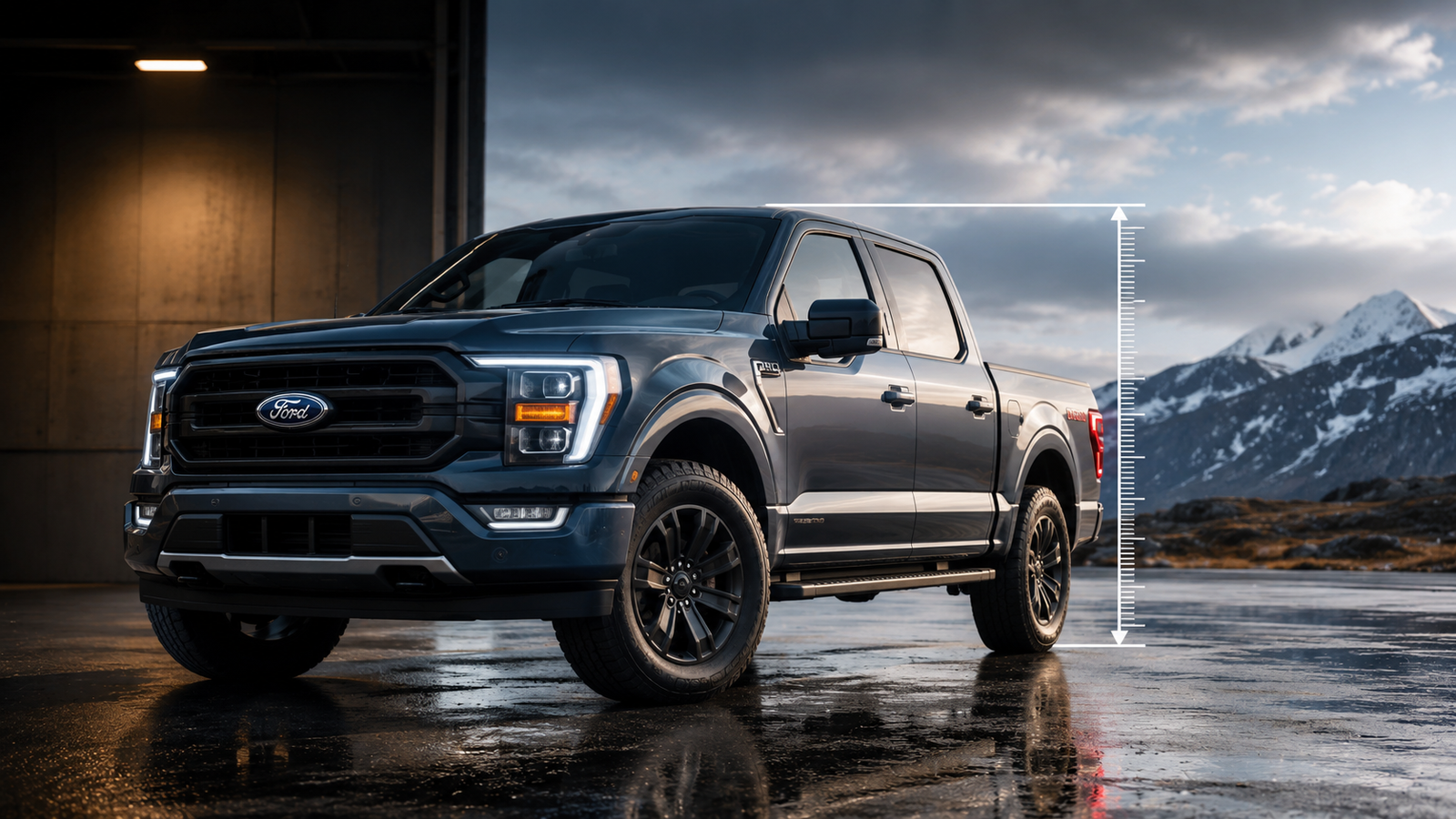


Business owners who are planning to buy a new work truck often ask does Ford F150 qualify for Section 179, and the short answer is yes, in most cases it does. The Ford F-150 is a popular choice among small business owners, contractors, and self-employed professionals because of its weight rating and utility.
However, the exact deduction amount depends on the cab style, bed length, and how the vehicle is used for business purposes. This guide breaks down every rule in plain language so you can understand exactly where your F-150 stands before you make a purchase decision or talk to your accountant.
What Is Section 179 and Why It Matters for the Ford F-150
Section 179 is a tax rule that allows businesses to deduct the full purchase price of qualifying equipment and vehicles in the same year they are bought. For an F-150 buyer, this section decides how much of the truck’s cost can be written off immediately instead of over several years.
Understanding Section 179 Basics
Section 179 was created to encourage small businesses to invest in equipment by letting them deduct the cost right away instead of depreciating it slowly. Vehicles, machinery, and even certain software can qualify under this rule.
For trucks like the F-150, the deduction depends heavily on weight and body configuration, which is discussed further below.
Section 179 vs Bonus Depreciation
Bonus depreciation is a separate tax benefit that often works alongside Section 179 once the yearly cap is reached.
While Section 179 has a dollar limit tied to business income, bonus depreciation usually applies a fixed percentage to the remaining cost. Many F-150 buyers use both together to maximize their first-year deduction.
Weight and Configuration Rules That Determine Eligibility
The biggest factor in whether your F-150 qualifies for a full or partial deduction is its Gross Vehicle Weight Rating, commonly shortened to GVWR. This single number decides which tax category your truck falls into.
The 6000 Pound GVWR Rule
The IRS separates vehicles into categories based on whether their GVWR is above or below 6,000 pounds. Most F-150 trims, including four-wheel drive and larger engine options, sit above this threshold. Trucks under this weight are treated more like passenger cars and face a much lower deduction cap.
Cab and Bed Length Differences
Even when the GVWR qualifies, the IRS applies an additional test based on cargo bed length. A truck bed of six feet or longer generally exempts the vehicle from the lower SUV-style deduction cap, while shorter beds on some crew cab models may not.
The table below summarizes how common F-150 configurations are typically treated.
| F-150 Configuration | Typical GVWR | Bed Length | Deduction Category |
| Regular Cab, standard bed | Over 6,000 lbs | 6.5 to 8 feet | Full deduction eligible |
| SuperCab, standard bed | Over 6,000 lbs | 6.5 feet | Full deduction eligible |
| SuperCrew, short bed | Over 6,000 lbs | 5.5 feet | Capped deduction may apply |
| SuperCrew, long bed | Over 6,000 lbs | 6.5 feet | Full deduction eligible |
How Much You Can Deduct on a Ford F-150
Once you know which category your truck falls into, the next question is how large the deduction actually is. This depends on whether your configuration falls under the full truck exemption or the lower passenger vehicle style cap.
Full Deduction for Long Bed and Regular Cab Models
F-150 models with a bed of six feet or more, combined with a GVWR over 6,000 pounds, are generally exempt from the lower SUV cap entirely. This means the full Section 179 limit for the tax year can potentially apply, subject to your business income and total equipment purchases.
Capped Deduction for Short Bed Crew Cab Models
SuperCrew models with a shorter bed may be treated similarly to large SUVs under the tax code. These vehicles face a separate, lower dollar cap rather than the full deduction amount, even though their GVWR still exceeds 6,000 pounds.
Business Use and Documentation Requirements
No matter how the truck is configured, the deduction only applies to the portion of the vehicle used for business. This makes tracking usage an essential part of claiming Section 179 correctly.
The 50 Percent Business Use Rule
The IRS requires that a vehicle be used more than fifty percent of the time for qualifying business activity in order to claim Section 179. If business use drops below this threshold in a later year, part of the deduction may need to be reported as income.
Recordkeeping and Proof for the IRS
Keeping a simple mileage log or usage record throughout the year is the easiest way to support your deduction if the IRS ever asks questions. Records should show business trips, purpose, and approximate mileage, separate from personal use of the same truck.
How to Claim the Deduction Step by Step
Once eligibility is confirmed, actually claiming the deduction involves a specific IRS form and some attention to timing.
Filing Form 4562
Section 179 deductions are reported using IRS Form 4562, which asks for details about the vehicle, its cost, and the percentage of business use. This form is filed along with your regular business tax return for the year the truck was purchased.
Timing Your Purchase Before Year End
To claim the deduction for a given tax year, the truck must be purchased and placed into service, meaning actually used for business, before the end of that tax year. Buying in December but not using the truck until January would push the deduction into the following year.
Common Mistakes and How Competitors Explain This Topic
Many online guides simplify this topic too much, which can lead business owners to assume every F-150 automatically qualifies for the maximum deduction without checking their specific configuration.
Mistakes Business Owners Make
The most common error is assuming all F-150 trims qualify equally, without checking the actual GVWR sticker or bed length. Another frequent mistake is forgetting to track business use percentage, which can reduce or eliminate the deduction if audited.
What Other Guides Get Wrong or Miss
Several competing articles list only the maximum possible deduction figure without explaining that short bed crew cab trucks fall under a separate, lower cap.
Few resources also mention that financing the truck still allows the deduction, as long as the business is responsible for the debt and uses the vehicle for qualifying purposes.
Real World Example
Consider a contracting business that purchases a regular cab F-150 with an eight foot bed for business use, driving it exclusively for job site visits and material pickups.
Because the GVWR exceeds 6,000 pounds and the bed length exceeds six feet, the truck likely qualifies for the full Section 179 deduction rather than the lower SUV-style cap, assuming business use stays above fifty percent throughout the year.
Frequently Asked Questions
Does a used Ford F-150 qualify for Section 179?
Yes, used vehicles can qualify as long as they are new to your business and meet the same GVWR and business use requirements as a new purchase.
Can I still claim the deduction if I financed the truck?
Yes, financing does not affect eligibility. The deduction is based on the truck being placed in service, not on how it was paid for.
What happens if I sell the F-150 later?
If the truck is sold or business use drops significantly before its useful life ends, some of the deduction may need to be recaptured as taxable income.
Does the electric F-150 Lightning follow the same rules?
The Lightning generally follows similar GVWR-based rules, though electric vehicle tax credits are separate from Section 179 and should be evaluated individually.
Conclusion
So, does Ford F150 qualify for Section 179? For most trims with a GVWR above 6,000 pounds and a bed length of six feet or more, the answer is yes, often for the full deduction amount.
Shorter bed crew cab models may face a lower cap, and business use percentage always plays a role in the final number. Since tax rules change from year to year, confirming your exact GVWR and speaking with a tax professional before finalizing your purchase is the safest way to maximize your deduction.
Disclaimer: This article is for general informational purposes only and is not tax or legal advice. Section 179 limits and rules change annually, so verify current figures with the IRS or a qualified accountant before making purchase decisions.
Related Articles
Ford Ranger Lease Deal 2026: Everything You Need to Know Before You Sign
How Tall Is a Ford F-150? A Complete Height Guide by Trim, Cab, and Year
Ford Explorer Reliability: The Complete Guide